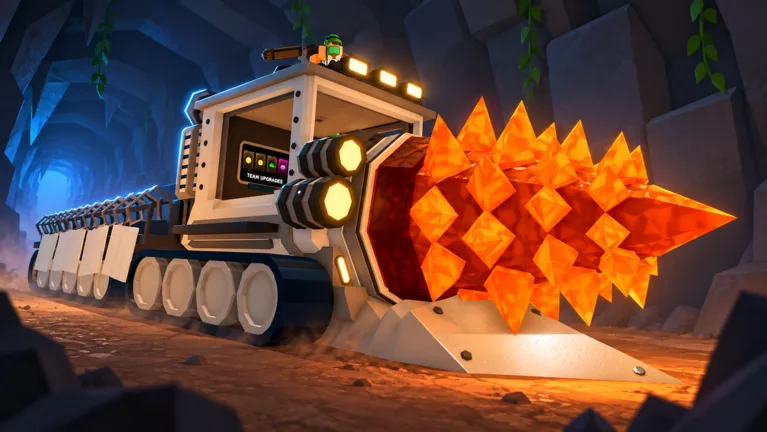
Discover the best drill to earth’s core salvager class strategies, upgrade paths, and survival tips to conquer deep subterranean Roblox layers.
Published: Drill to Earth’s Core Wiki Editorial Team
Table of Contents
Introduction to the Salvager Class
When diving deep into planetary strata, choosing the right specialization dictates whether you strike riches or burn out in the magma. If you want to master the drill to earth’s core salvager class, understanding its unique resource-gathering mechanics is essential for deep-run survival. This guide breaks down everything you need to know about optimizing your rig, managing inventory, and surviving the treacherous descent to the center of the planet.
According to community reports, balancing offensive upgrades with cargo capacity is the single most important factor for early-game progression. Players who fail to prioritize inventory space often find themselves forced to surface prematurely, missing out on rare mineral drops. By mastering the drill to earth’s core salvager class mechanics early on, you can streamline your mining loops and accelerate your journey toward the deepest layers.
Understanding the Role of the Salvager
The drill to earth’s core salvager class acts as the backbone of any serious mining operation in this popular Roblox experience (you can check out official game details on the Roblox Game Page). While pure combat builds focus on clearing subterranean monsters and specialized roles focus on speed, the salvager excels at extracting maximum value from every single rock layer.
Subterranean exploration requires managing limited fuel, health, and cargo space simultaneously. The salvager mitigates these constraints through specialized passive bonuses that enhance material yield and storage efficiency. Whether you are mining basic coal and iron near the surface or hunting rare gems in the crystal strata, this class ensures your vehicle stays profitable.
Resource Efficiency
The salvager class focuses on converting raw mined blocks into higher sell values, minimizing the trips required between the surface shop and deep underground veins.
Inventory Mastery
Maximizing sack storage and drill durability allows salvagers to stay underground longer, bypassing the typical bottlenecks that hinder beginner players.
Essential Upgrades and Progression Path
To unlock the true potential of your vehicle, you must invest your hard-earned cash into strategic upgrades. The following comparison table outlines the recommended upgrade priorities for players running this specialization.
Upgrade Category
Priority Level
Recommended Tier
Primary Benefit
Drill Power
High
Tier III – V
Cuts through denser rock layers faster
Sack Storage
High
Packed Sack / Tier IV
Holds more minerals per run
Armor Plating
Medium
Steel or Gold Armor
Protects against deep-layer monster attacks
Fuel Efficiency
Medium
Advanced Tank
Extends operational time in the abyss
Player experience consistently shows that neglecting drill power while over-investing in cosmetic or low-tier upgrades leads to stalled progress around the fossil and crystal layers. Follow a balanced progression path where drill capability scales alongside your cargo capacity.
Surface Farming: Grind basic dirt and stone layers to fund your initial drill and sack upgrades.
Mid-Game Transition: Focus on defensive plating once you reach the toxic and frozen layers to survive environmental hazards.
Deep Descent: Deploy your maximized storage capacity to hoard high-value gems like emeralds and rubies near the core.
Survival Tips for Deep Subterranean Layers
Descending past 150,000 depth introduces extreme environmental hazards and aggressive monster spawns. As a salvager, your primary goal is risk mitigation. You cannot salvage materials if your rig explodes halfway to the bottom.
Community feedback highlights that managing heat and wall damage prevents catastrophic runs. Always monitor your health pool and ensure you have backup repair items or defensive perks equipped before breaching unfamiliar strata.
Tip
Always return to the surface before your storage sacks reach 100% capacity if your health drops below critical thresholds, as deep-layer monster ambushes can wipe out unbanked earnings instantly.
Warning
Do not ignore environmental warnings in the void and abyss layers. Pushing too deep without adequate armor will destroy your vehicle regardless of your drill tier.
Frequently Asked Questions
What makes the drill to earth’s core salvager class unique?
The salvager specialization focuses heavily on resource yield and inventory efficiency, allowing players to collect and transport more valuable minerals per run than standard mining builds.
How do I unlock better equipment for this class?
You need to mine resources like coal, iron, gold, and diamonds across various depths, then sell your haul at the surface shop to fund vehicle and gear upgrades.
Is the salvager class good for beginners?
Yes, its emphasis on resource gathering provides a steady income stream, making it one of the most reliable choices for players learning the mechanics of deep excavation.
How deep do I need to go to find rare gems?
Rare materials such as emeralds, rubies, and heartgems begin appearing more frequently once you descend past the stone and frozen layers into the fossil and crystal strata.